









Books I’ve Rx’d Lately
Books I’ve been handing out like patients wish we dispensed antibiotics.
Because sometimes the prescription isn’t a Z-pack (it’s viral, rest, fluids, live your life and let your immune system do its thing)…
What we really need to prescribe is perspective.
As clinicians, parents, leaders, and humans navigating a very full world, what we consume matters. The inputs we choose—books, conversations, ideas—quietly shape how we show up in every area of our lives.
Here’s what’s been in my “treatment plan” lately—for friends, colleagues, mentees, and honestly… myself.
1. Mattering: The Secret to a Life of Deep Connection and Purpose
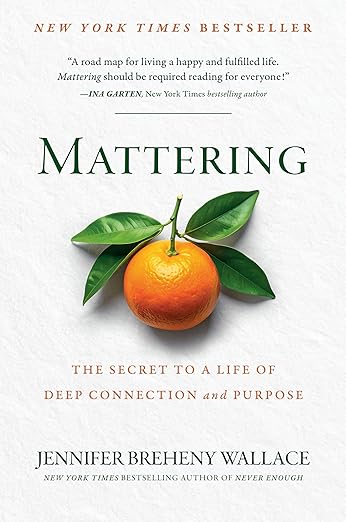
This is the book I reach for when someone is quietly questioning their worth.
You know the person:
- They’re high-achieving
- They’re reliable
- They’re giving everything
…and still feel invisible.
Sound familiar?
Mattering puts language to something so many of us feel but rarely name—the deep human need to feel seen, valued, and significant.
But it doesn’t stop there.
It flips the script from:
“Do I matter?”
to
“How can I help others feel like they matter?”
That shift? It changes everything.
In medicine, in leadership, in parenting—this is the work.
2. The Digital Delusion: How Classroom Technology Harms Our Kids’ Learning — And How To Help Them Thrive Again
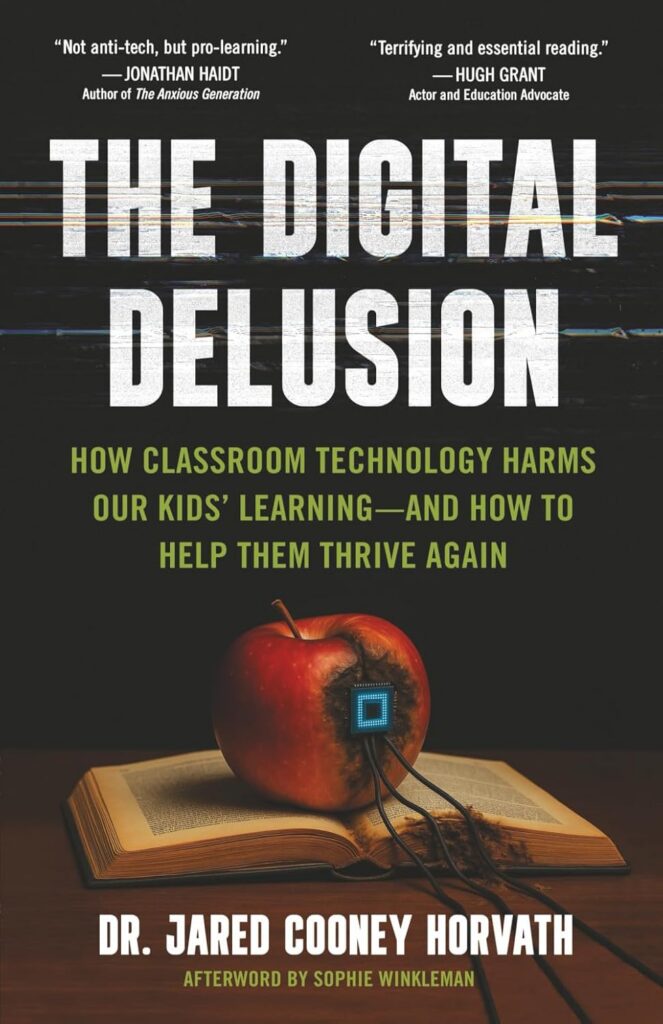
by Jared Cooney Horvath, PhD, MEd
I’ve been handing this one to:
- Teachers
- Parents
- Anyone who thinks the solution to education is “just add more tech”
- And honestly… even the people who think tech is the enemy
Because this book lives in the nuance.
It’s not anti-tech.
It’s pro-learning.
And it challenges a belief that has quietly taken over modern education:
More screens ≠ better learning
More tech ≠ more engagement
Instead, it pushes us to ask better, more uncomfortable questions:
- What actually helps kids learn?
- Where does technology enhance learning—and where does it distract from it?
- What are we outsourcing without even realizing it?
If you care about how kids learn (or how you learn), this one will make you think.
3. The Anxious Generation
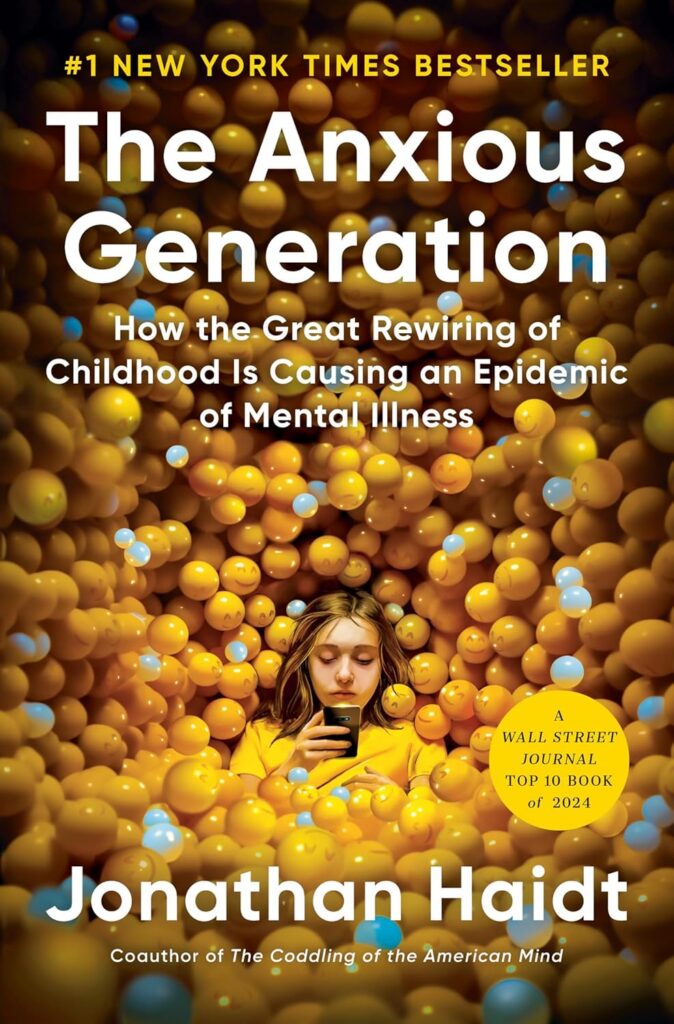
This is the book I hand to parents who feel like something is off… but can’t quite name it.
Because deep down, many of us already know:
Something has changed.
This book connects the dots:
- Smartphones
- Social media
- Isolation
- Anxiety
- Loss of independence
It takes what feels like a vague sense of concern and turns it into something concrete, understandable, and actionable.
And that matters.
Because once you have language, you have power.
One of my favorite takeaways?
This is not a foregone conclusion.
This isn’t “just how things are now.”
It’s a collective action problem—which means it’s something we can actually do something about.
As parents.
As clinicians.
As communities.
4. Find Your Unicorn Space: Reclaim Your Creative Life in a Too-Busy World
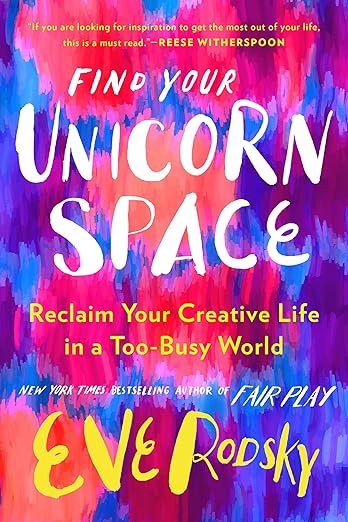
by Eve Rodsky
This one hits a little differently.
I give this to:
- Mentees
- Students
- High-performers
- Clinicians who have optimized their lives… and somehow lost themselves in the process
Because here’s what I see all the time:
We get so good at being productive.
So efficient.
So optimized.
That we accidentally build lives where everything has a purpose… except joy.
If your identity has become your output—your job, your productivity, your achievements—this book is a gentle but firm interruption.
It invites you to ask:
- What is mine?
- What lights me up?
- What do I do just because I love it?
Not for your CV.
Not for your patients.
Not for your family.
Just for you.
And that? That’s not selfish.
That’s sustainable.
What Are You Prescribing for Yourself?
We spend so much time in medicine prescribing for others.
Medications.
Plans.
Protocols.
But what are you prescribing for yourself?
What are you reading, listening to, and engaging with?
What’s shaping how you think, parent, lead, and live?
Because those inputs matter more than we think.
So I’ll ask you the same question I’ve been asking my friends and colleagues:
If you had to “prescribe” one book right now—what would it be… and who are you sending it to?
Drop it in the comments or send it my way to tracy@tracybingaman.com.
I’m always looking to expand the list.


